
The Tinned Fish Trend: From Pantry Staple to Gourmet Obsession
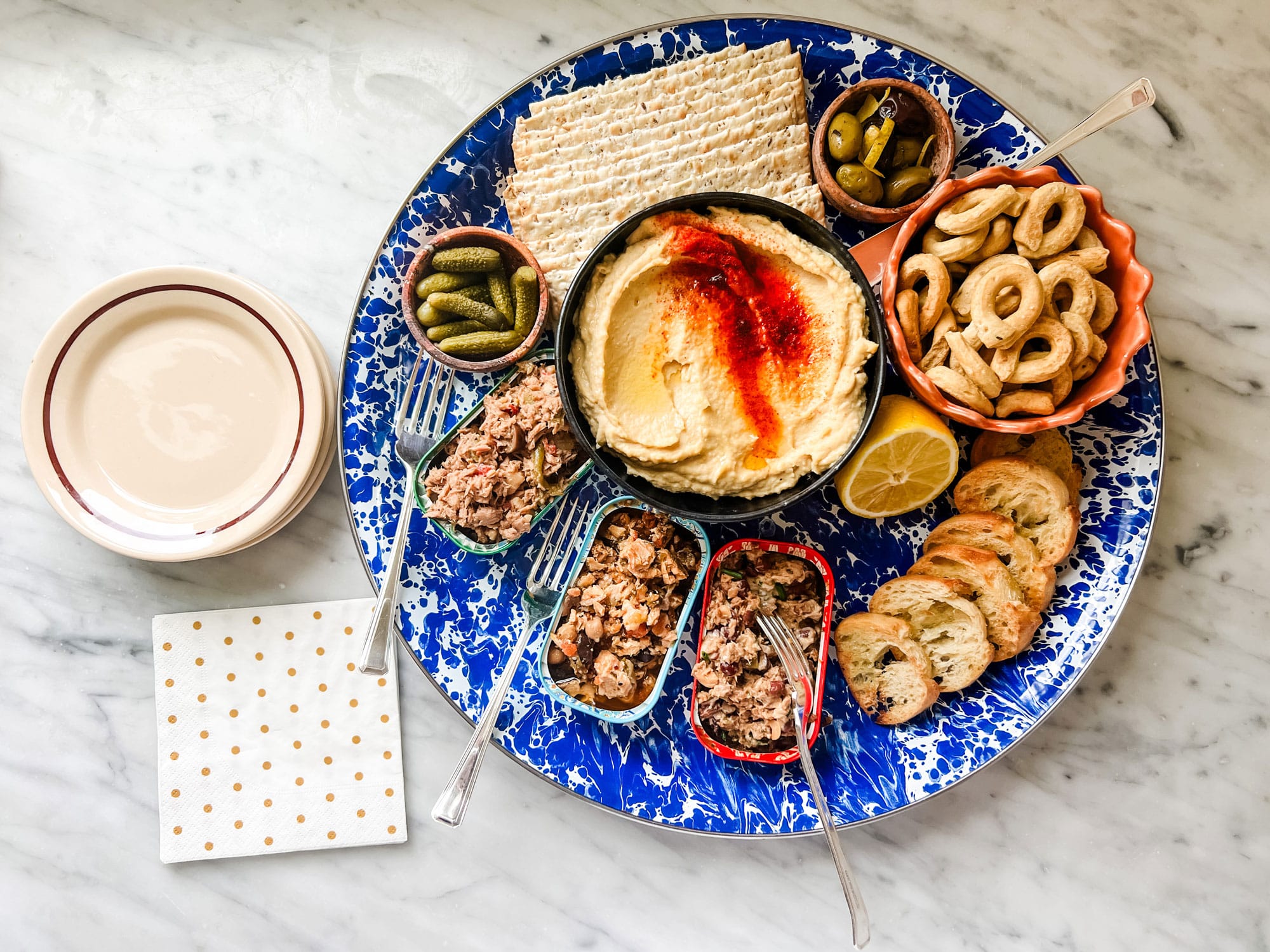
The tinned fish trend shows no signs of slowing down, and for good reason. What started as a TikTok moment has turned into more of a culinary movement, with people of all ages discovering that these humble little cans pack serious flavor, impressive nutrition (think omega-3 fatty acids, calcium, and protein), and surprisingly beautiful packaging. Whether you’re making appetizers for a casual get-together or just elevating your weeknight pantry, tinned fish deserves a spot in your kitchen.
I’ll be honest, I resisted this one for a while. I had the old-school bias: tinned fish is cheap food, something you eat when you have nothing else. But it kept showing up everywhere, and I finally decided to give it a proper chance.
Art and the tinned fish trend


One of the things that surprised me most, and honestly, drew me in first, is the packaging. Gone are the days of “Charlie the Tuna” and forgettable grocery store labels. Today’s tinned fish brands are commissioning real artists and designers to create beautiful, collectible labels. Vivid colors, intricate illustrations, and thoughtful storytelling have turned these tiny tins into miniature works of art.
Brands like Fishwife, Patagonia Provisions, José Gourmet, and Conservas Portugal are leaders in this space, and part of what makes them special is that the art often signals something real: a commitment to sustainability, responsible sourcing, and quality. Many carry MSC (Marine Stewardship Council) certifications, which matters more and more to today’s buyers.


What’s behind the tinned fish movement?
TikTok deserves much of the credit for kicking this trend into high gear, “tinned fish date night” and “seacuterie board” videos racked up millions of views. But in reality, tinned fish has been a major part of European cuisine for centuries, especially in Portugal and Spain, where beautifully packaged conservas are sold in boutique shops and eaten as tapas with great pride.
The timing also makes sense because tinned fish offers an affordable luxury at a moment when people are watching food budgets but still craving something special and nutritious. It’s also genuinely sustainable when sourced responsibly, which is a win on multiple fronts.
While the trend feels new, tinned fish history goes back to at least the 1700s. We’re just catching up with what the Europeans have known all along. I was reminded of this just recently on a trip to France, where beautiful tins are displayed in shop windows like pastries!
My introduction to tinned fish
My introduction to tinned fish was Alison Roman’s Caramelized Shallot Pasta, which calls for a generous amount of anchovies. The umami depth they add is remarkable. There’s nothing fishy about it, just rich, savory flavor. If you haven’t tried it yet, start there.
Beyond that pasta and a good Caesar salad dressing, I hadn’t ventured far, other than the occasional tuna melt being my other staple. Then our daughter gave my husband a gorgeous can of gourmet smoked mussels in tomato sauce as a birthday gift, and that’s when it clicked.
From there I’ve been slowly branching out.
How I serve tinned fish as a fun appetizer or tapas

Tinned fish has become one of my favorite things to serve at casual get-togethers because it’s easy, beautiful, and always starts a conversation.
Here’s how I do it:
- Open 2–3 varieties of tinned fish (I like to mix textures and flavors — try smoked mussels, sardines in olive oil, and an octopus, salmon, tuna, or mackerel tin for variety).
- Optionally, remove the fish from the tin, mix with chopped fresh herbs, cornichons, olives, and a little Kewpie mayo, and serve it back in the tin for a pretty presentation.
- Surround with good crackers, flatbread, or sliced sourdough toasts.
- Add homemade hummus, cornichons, olives, capers, and sliced radishes for a Mediterranean vibe.
- Finish with lemon wedges for brightness.
The tins themselves become part of the display, which is where all that beautiful packaging really pays off.


Where to find good tinned fish
You can find quality tinned fish at Whole Foods, Trader Joe’s, and specialty grocery stores. Online, Fishwife and Patagonia Provisions are excellent starting points. If you want to go deep on the Portuguese and Spanish tradition, look for Matiz, José Gourmet, or browse a specialty importer. Prices range from a few dollars to $20+ a tin for the really artisanal stuff. It makes a wonderful and unexpected gift, too.
Have you tried tinned fish, or jumped on the trend? I’d love to know in the comments! And in a post coming soon, I’ll be showing how I like to put together a seacuterie board.
I love tinned fish! I was turned on to it by Victoria from SF Girl by the Bay in her blog and I bought a few tins from Fishwife. I served the fish with thick potato chips and cornichons for a little afternoon sundowner. It felt very European! Delicious and fun and the cans are so colorful!
Thanks to the Omega-3s and it being too darn hot to cook, I’ve been trying sardines and am really liking them. Your charcuterie choices to round out the menu are fantastic and I love the idea of serving them from the tin. Too cute! Having friends for happy hour tomorrow and I know what I’ll be serving. Thick potato chips also genius.
Canned fish is healthy and easy. I thought the labels were interesting – I haven’t noticed them at my co-op. Of course, I always buy the same brand, and I’m not too observant. The most important thing with canned fish (and fresh) is to make sure it’s wild caught or farmed sustainably. It’s what’s in the can that matters. I’m also old school, LOL: the only thing I’d serve in a can is cat food.